Device hardware
The monitoring body, sensor path, charging circuit and power limits define the buildable hardware layer.

For teams comparing a pediatric pulse oximeter manufacturer or a pediatric pulse oximeter OEM, Berry's sleep apnea screening monitor page keeps the discussion at the device, power, app and data layers before an RFQ leaves the desk.

This page helps separate the wearable hardware role from the app layer and the finished-device responsibility so the project brief stays clear.
The monitoring body, sensor path, charging circuit and power limits define the buildable hardware layer.
Berry Smart Health, Bluetooth if supported and connected sleep data belong to the review layer, not a diagnosis promise by themselves.
Clinical workflow, service handling, and final market positioning need their own project brief beyond the PCB and wearable unit.
Power handling and connected features should be briefed before volume planning so battery, app and sensor wording do not drift apart.
| Screening signals | SpO2, PR, PI, AHI, ODI and Sleep Stage Classification. |
|---|---|
| Battery and charge | One 3.7V rechargeable lithium battery with Type-C charging, DC 3.4V~DC 4.3V working voltage, low voltage warning and automatic shutdown. |
| App layer | Berry Smart Health is the free app layer associated with the device; Bluetooth is noted only if supported. |
| Use case | Family, hospital, community healthcare and physical care in sports; not recommended during exercising. |
| Engineering note | Compact wearable operation means battery, display, sensing and signal review all need one consistent brief. |
The practical choice is not just whether the device reads oxygen signals, but whether the product owner has defined the device layer, the data layer and the review layer in one scope.
Use this order to keep the hardware conversation from skipping straight to app claims or ending up as a vague device request.
Decide whether the project is a sleep-screening wearable, a broader monitoring device, or a simpler spot-check product.
Check Type-C charging, battery, low-power operation and auto shutdown before assembly decisions are fixed.
Keep Berry Smart Health, Bluetooth and connected review language distinct from the hardware brief.
Once the scope is clear, send the team a quote request with the exact product and monitoring boundaries.
Use these nearby Berry products when the project needs a different level of monitoring, form factor or system scope.
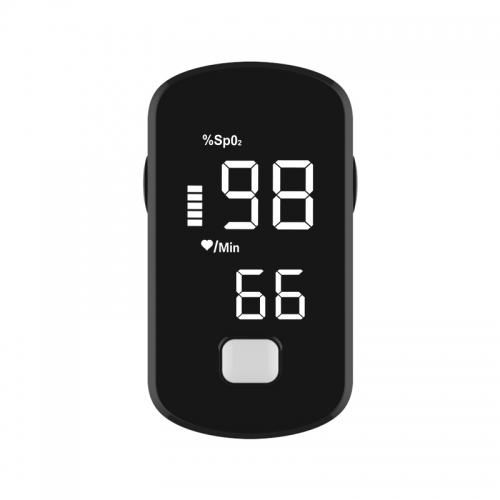
A simpler pulse-oximeter format when the project only needs spot-check oxygen saturation hardware.
View fingertip oximeter
Choose this direction when the project moves from a wearable screening unit toward a broader patient-monitor scope.
View PM6100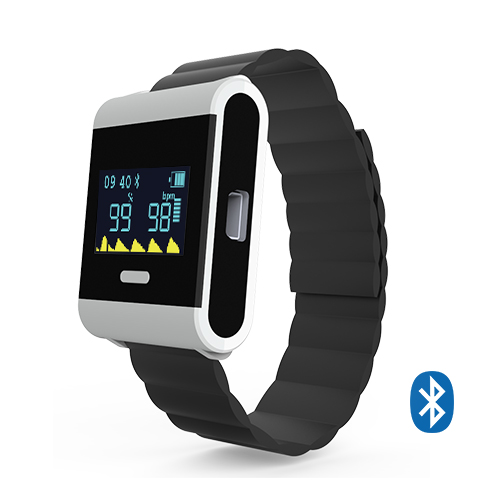
Use this when the project brief needs a system-level sleep-screening frame rather than a single wearable unit.
View screening systemThese short notes help keep claims, charging, and data interpretation in the right lane before the RFQ is drafted.
Use the compliance note to separate supplier identity from device-level wording.
Open compliance noteThe charging note helps define battery and power language without stretching runtime claims.
Open power noteThe connected-data note keeps device communication and clinical interpretation apart.
Open data noteSix focused answers for teams planning wearable sleep-screening hardware.
It focuses on Berry's wearable sleep-screening hardware, including the board, power path, app layer and related monitoring-device choices.
No. The page stays at the device, screening and manufacturing boundary so project teams can brief the hardware correctly before any clinical interpretation is added elsewhere.
Start with the SpO2, PR, PI, AHI, ODI and Sleep Stage Classification signals, then review the Type-C charging path, rechargeable battery and power limits.
Berry Smart Health is the app-related review layer connected to the device. It should not be treated as automatic proof of diagnosis or remote therapy by itself.
Share the target use case, power and charging expectations, connection needs, battery details, screening scope and whether the project is a pilot run or a larger build.
Choose a different Berry device when the project needs a simpler fingertip oximeter, a broader patient monitor or a system-level sleep screening setup instead of this wearable model.


